
Buzzing with Peridot: An Insightful Interview with Bernal Heights Beekeeper Extraordinaire
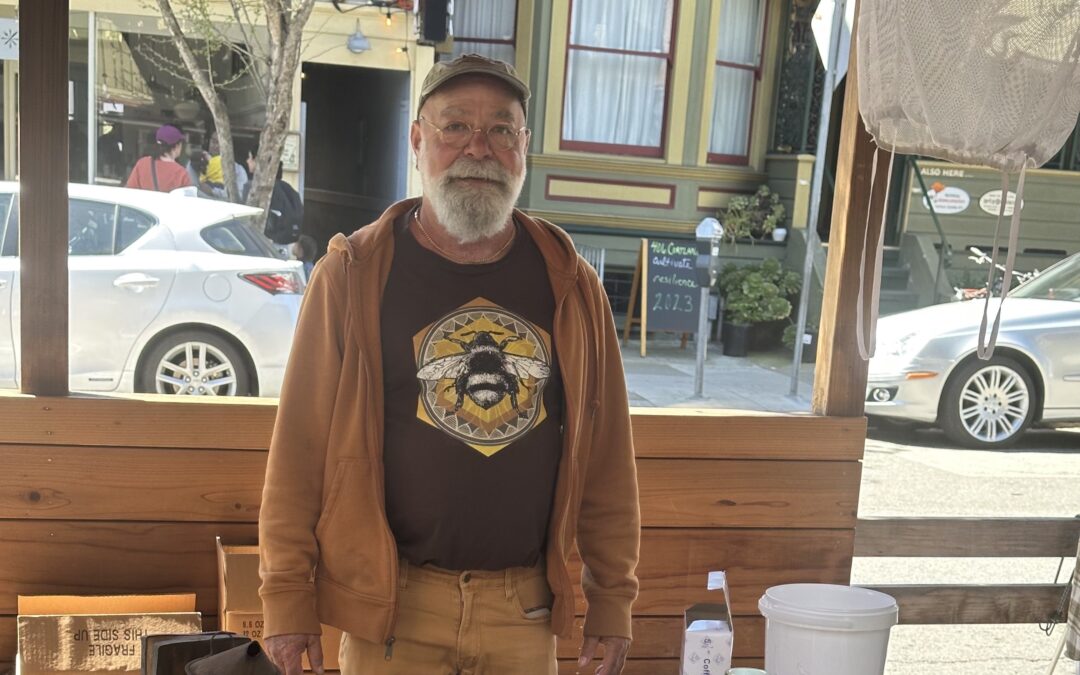
Welcome to an exciting interview with Peridot, the esteemed beekeeper of Bernal Bears! Nestled in the heart of Bernal Heights, San Francisco, Peridot has dedicated his life to the enchanting world of bees and to preserving their vital role in our ecosystem. With their deep-rooted passion and extensive knowledge, he has become a local icon, fostering a harmonious relationship between humans and these incredible pollinators.
In this exclusive interview, we delve into his captivating journey as a beekeeper, exploring his motivations, experiences, and the incredible impact of their work. Join us as we uncover the buzzing secrets of Bernal Heights and gain invaluable insights into the vital role bees play today.
Get inspired by Peridot’s remarkable dedication and discover the fascinating world of beekeeping like never before!
How did you start as a beekeeper, and what motivated you to start Bernal Bears, Honey?
My daughter had a beehive, and I was fascinated by sitting and watching the bees come and go. She made it look so easy, so I decided to get involved. I was glad I started with two hives because I quickly realized this was more than a simple hobby. After keeping bees for a few years, I realized I would never consume or give away as much honey as my bees were producing. I started selling honey to friends in my community. Bernal Bears was born.
What makes Bernal Heights an ideal location for beekeeping?
San Francisco has mild weather year-round and many irrigated gardens and street trees, providing honeybees with year-round foraging opportunities. My South Bernal hives face the sun in a wind-sheltered backyard. This creates a year-round environment that is warm and gentle, allowing the hives to thrive. We are situated near various sources of pollen and nectar, including the vehicular Bernal Cut with its abundant fennel, Alemany Farm with its numerous vegetables, Holly Park with its eucalyptus trees, and Bernal Hill with its diverse native shrubs.
Could you tell us about the different types of honey SF Bears Honey produces and their unique flavors?
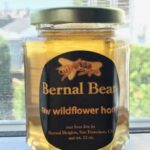
Fennel honey is one of my favorite honeys. It comes when the fennel blooms in the Bernal Cut on San Jose Avenue. Other favorites include Eucalyptus honey, which is buttery and rich during the winter bloom; early spring honey, which is the most flowery; and Ivy honey, available in November and crystallizes very quickly.
What challenges do you face as a beekeeper in an urban environment like Bernal Heights?
The biggest challenge I face in South Bernal is the gusting wind along the Highway 280 corridor. The periodic wind flow makes it difficult for young queen bees to mate because they do their aerial mating acrobatics 200 feet in the air. Only about 30% are successful, so I obtain more queens from rescued swarms or purchased queens.
How do you ensure the health and well-being of your honeybees?
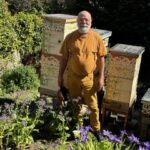
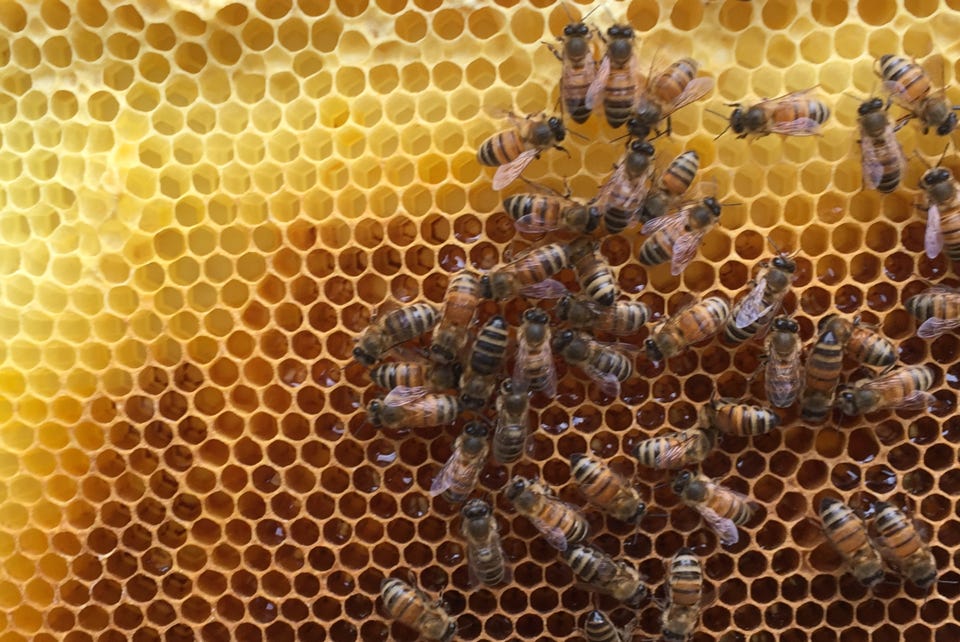
I usually do not wear protective equipment when working with bees, as I want to see and feel them. I use smoke to keep them calm as I open the hive. I make sure they have room for brood and honey. If they run out of space, the queen and half of the bees may swarm to a new home. I monitor the hives monthly for varroa mites, the primary killer of honeybee colonies today, and treat them with organic acids commonly found in tart fruits. I replace old combs and frames to ensure the hives provide a healthy environment for brood, house bees, and forager honeybee life cycles. I balance resources between hives to help a weak colony or manage space for brood and honey.
Buzzing with Peridot: An Insightful Interview with Bernal Heights Beekeeper Extraordinaire
Do you follow any specific sustainability practices in your beekeeping operations?
I use only glass jars with metal lids. I offer a credit for returned jars so they can be reused. I use wax foundation for the frames in the hive rather than plastic. It’s no surprise that the bees resist making comb on plastic. I make many of the beehive parts from repurposed lumber. I use smoke to calm the bees, and egg cartons or repurposed packing materials serve as fuel for the smoker.
What role do honeybees play in the local ecosystem, and how does Bernal Bears Honey contribute to their conservation?
Bees pollinate 70% of our food crops. Being a few blocks from Alemany Farm, we can directly contribute to the local food supply. Many fruit trees in the neighborhood have more fruit when bees are nearby. Our lemon tree’s production increased from 200 lemons per year to 1,000 after we introduced bees. Now we have calamondin, pineapple, guava, and lime trees. Flowers also make more seeds when bees visit.
Are there any seasonal variations in honey production in Bernal Heights, and if so, how do you manage them?
Most of the honey is produced in early spring and fall, when trees flower. We have a lot of eucalyptus in San Francisco that blooms in winter, with some years seeing more blooms than others. The weather plays a big role in honey production. When things bloom, honey production increases significantly. In 2021, I harvested honey every month; however, in the first six months of 2023, I only harvested it once.
Can you share interesting or unusual facts about honeybees or beekeeping that most people might not know?
Honeybees are not aggressive and will only sting if they are threatened. You can watch them closely as they drink from the flowers; they won’t mind. They are looking for nectar and pollen, not picnic food or people.
All honey crystallizes. The time required depends on several factors, including the flowers the nectar came from, whether the honey was heated and filtered or strained, and whether it contains additives such as corn syrup or sugar. Crystallization does not affect honey’s taste, but it makes it easier to spread on toast and tastes better as the crystals dissolve on your tongue. To liquefy crystallized honey, melt it gently in the microwave for a few seconds, or heat the jar in a pan of water, stirring to prevent it from overheating as it melts.
Approximately 60% of the honey sold worldwide is fake or diluted.
Although habitat loss, monocropping, and pesticides harm honeybees and native bees, local urban beekeepers are skilled at propagating bees and can replace lost hives. Nevertheless, more than half of all honeybee hives die each year.
How can the local community in Bernal Heights support SF Bears Honey and help promote bee conservation?
Avoid using pesticides in your garden, or if necessary, choose pollinator-friendly alternatives. Instead, plant pollinator-friendly trees and plants. Buy local honey to support community beekeepers, rather than honey from big-box stores that is often laced with corn syrup and heated during production.
Bernal Bears Honey is available online and at Avedano’s Meats and Harvest Hills Market.
Greening Bernal One Project at a Time
Bernal Bears Honey

Mike Doherty serves as Chief Experience Officer at Greening Projects, a nonprofit organization dedicated to transforming underutilized urban spaces into vibrant green areas
