

Cultivating Community: Cobble & Forge’s Guide to Sustainable San Francisco Gardening
Husband-and-wife duo Monique and Josh Mead share their 13 years of wisdom on creating beautiful, low-maintenance gardens that thrive in the Bay Area’s unique climate.
When Monique and Josh Mead started Cobble & Forge 13 years ago, they had a simple vision: to create beautiful outdoor spaces that work in harmony with nature, not against it. Today, their small but mighty team of six has become renowned for its thoughtful approach to landscape design, which prioritizes native plants, water conservation, and community building.
-
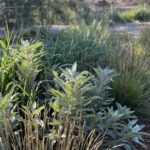
- Amber Drive
-
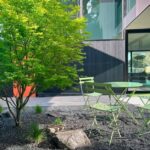
- Amber Drive Garden
-
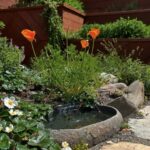
- Excelsior Garden
-
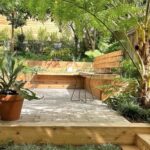
- SF Patio
-
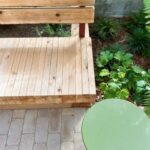
- Noe Valley Garden
-
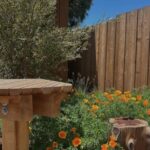
- 46th Ave Garden
The Right Plant for the Right Place
One of the most crucial lessons C+F has learned over its years in business is the importance of matching plants to San Francisco’s famous microclimates. “The gardens that I suggested when we first started are very different than the gardens that I suggest now,” Monique admits. “It’s definitely been a learning process, but I feel like we
have a strong list of plant combinations that have proved to work in specific areas.” Their approach involves extensive trial and error, as well as building a knowledge base of what works where. “Some of the plants that we select for a garden in the Sunset or Diamond Heights may be different from those in The Mission or Bernal, just based on sun patterns, fog, and heat,” she explains.
Working with Client Dreams
When clients come with specific plant wishes that might not work in their space, C+F doesn’t simply say no. Instead, they offer alternatives to achieve similar aesthetic goals. “Somebody may really want a fern garden, but their space is too sunny and hot; however, there are other plants that do this lush green, flowy thing that we love about ferns,” Monique explains. “We’re trying to find something that can still give the same reward, but maybe be more successful in the space.”
Plants to Avoid: Learning from Experience
After more than a decade in the business, C+F has developed a clear list of plants they steer clients away from. Topping that list? Bamboo.
“Bamboo is rhizomatous, and it spreads on runners,” Josh explains. “It will just take over. I’ve lifted an entire driveway, and it was growing through the cracks in the concrete and growing through the foundation of the house.”
They also caution against falling in love with plants that look charming in small nursery pots at the store but grow into massive specimens. “Understanding the lifespan and specific traits of a plant is very important,” Josh explains. C+F likes to help clients visualize an end product while balancing the long-term needs of the selected plants.
Rethinking the California Lawn
One of their biggest educational challenges involves helping clients reimagine outdoor spaces without traditional lawns. “San Francisco doesn’t really support a successful lawn culture”, Josh explains. Lawns use a lot of water, they hardly look good, and often seem to turn into mud pits.”
Instead, they encourage clients to consider alternatives such as pollinator gardens, lawn alternatives, additional patio areas, or even using the city’s abundant public green spaces. “Your backyard doesn’t necessarily need to have a large lawn area,” Monique suggests. “We live in a city where you can often walk to an inner city park, so maybe your ‘lawn time’ is better spent at Precita Park or another pubic space.”
A Balanced Approach to Native Plants
While Cobble & Forge leans heavily toward native plants, they’re not purists. Their philosophy, rooted in permaculture principles, focuses on creating sustainable
ecosystems rather than strict adherence to native-only planting.
“We generally try to utilize native plants as much as possible,” Monique clarifies. “There is also space for other long-established, non-native and non-invasive plants, and generally, we’re just really hoping to promote pollinators and encourage a year-round and sustainable garden.” Their approach involves creating gardens that provide habitat and food for pollinators year-round.
Water-Wise Gardening
Water conservation remains a central tenet of their design philosophy, which is another reason for selecting native plants that can be watered deeply and less frequently. Additionally, utilizing drip irrigation systems with advanced weather-sensing and soil-monitoring technologies can help minimize inefficient water use. Finally, rather than elaborate water features that require constant maintenance and significant water use, they suggest simpler alternatives, such as carved stone birdbaths that can be manually filled to attract wildlife without generating excessive waste.
Design Trends: From Sterile to Sustainable
Josh and Monique have noticed a welcome shift away from the ultra-modern, minimal aesthetic that dominated landscape design in recent years. C+F has found a symbiotic relationship between a clean, modern garden aesthetic and a natural, more fluid aesthetic, creating gardens that seamlessly blend these two dominant trends. The new trend they’re seeing embraces softer edges and more naturalistic designs.
“Everything’s a little bit more flowing, and there’s more room to create edges using plants or gravel, allowing us more creative freedom to color outside of the modern traditional lines,” Josh explains.
Pet and Family-Friendly Design
For clients with dogs and children, C+F designs durable landscapes that can handle heavy use. Key strategies include:
- Raised planter boxes for edibles to keep them away from pet areas
- Designate gravel areas for pets that are easy to clean and maintain
- Hardy plant selections that can withstand active use
- Smart zoning to separate play areas from more delicate plantings
“People who generally have dogs often also have kids, and not to compare dogs and kids, but both can be hard on landscapes,” Monique (who is also a mom) notes with humor.
Maintenance: The Reality Check
Perhaps the most important message that Josh and Monique share with clients is about the importance of ongoing maintenance. They use a simple analogy: “You wouldn’t buy a car and not perform oil changes – it’s just part of investing in a space.”
“A garden is dynamic. It’s forever changing,” explains Josh. “We can give people this beautiful upfront garden, but in reality, you have to take care of it. It’s an ever-changing thing.” Their approach involves encouraging clients to engage with their gardens while also providing professional maintenance for those who need it. “We really want people to get interested in taking care of their space to some extent,” Monique explains. “But if we can come do some heavy lifting and also get people interested in getting their hands a little dirty, that’s a win for everyone.”
Getting Started: What Clients Should Know
For homeowners considering landscape work, C+F suggests there’s no minimum preparation required. However, they do recommend:
- Live in your space first to understand how you actually use it and how the sun and weather patterns affect it throughout the seasons
- Come with an open mind to an evolving garden
- Think about year-round use and how the garden will look and function in different seasons seasons
- Consider maintenance realistically and budget for ongoing care
Community-Centered Business Philosophy
Beyond their design work, Cobble & Forge prioritizes supporting other local, small businesses and building community connections. They source materials locally whenever possible, work with local arborists to source custom carpentry elements, and participate in neighborhood events and markets.
“It’s been fun getting to know our neighbors and getting our neighbors to meet their neighbors, Monique explains. Any way that we can build more community and more
gardens within this bigger city – that’s always a win for all of us.” Monique explains.
This community focus extends to their pop-up plant sales at local marketplace events, such as Sunday Streets, and their regular micro-nursery setup in front of their shop at 1663 Valencia Street, where they offer quality plants and gardening advice, making them accessible to neighbors who may not be ready for a full landscape project.
The Long View
After 13 years in business, Josh and Monique have learned that successful gardening in San Francisco requires patience, flexibility, and respect for the unique conditions of each site. Their advice to fellow gardeners? Start with understanding your specific microclimate. Choose plants that thrive in your garden, and remember that gardens are living systems that evolve.
As San Francisco continues to grapple with water conservation, climate change, and the need for urban green spaces, Cobble & Forge’s philosophy offers a roadmap for creating beautiful, sustainable landscapes that serve both people and the local ecosystem. Their message is clear: the best gardens are those that work with nature, support local wildlife, and bring communities together.
Cobble & Forge offers landscape design, installation, and maintenance services throughout San Francisco, specializing in native and water-wise gardens. Follow them on
Instagram @cobble.forge.sf or visit cobbleandforge.com for more information about their services and upcoming pop-up plant sales.
Cobble & Forge | Natural Designs & Ecological Solutions

Mike Doherty serves as Chief Experience Officer at Greening Projects, a nonprofit organization dedicated to transforming underutilized urban spaces into vibrant green areas
