
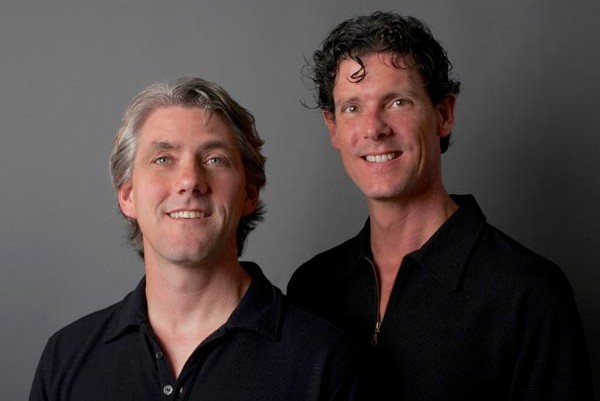
Creating Spaces with a Purpose: Marc A. Lindsel
We recently caught up with Marc A. Lindsell, LEED AP of 2M Architecture. Marc Lindsell and Mark Tetrault, partners in 2M Architecture and Life, merged their firms and talents in 2005. Their clients benefit from their joyful, synergistic interplay, which combines their refined sense of architecture and design with a deep understanding of engineering and technology, as well as aesthetic expertise.
In the Beginning
Can you tell us a little about the history of your architecture firm and how it came to be located in Cortland?
I bought my house in Bernal in 1994 and started my architectural practice in 1995, initially working from home. However, I didn’t prefer working from home and envisioned having an office in a vibrant neighborhood where I could meet clients, have lunch at local restaurants, and be part of a community. Finally, the space on the corner of Cortland and Andover became available, and in 2002, I relocated the office to our current location. My partner, Mark, joined the firm in 2005, and we hope to be here for the rest of our careers.
What sets your firm apart from other architecture firms in the area?
The Bay Area boasts a wealth of talent, and the field of architecture is no exception. We consider ourselves your “Partners in Design. We hope that when, at long last, your project is completed, you will invite us back for a visit to show off your new home (or renovation) and share a glass of wine with us. Since 2017, we’ve been listed among the Top 50 Architects in San Francisco.
The Craft
Can you walk us through your design process and approach to a new project?
Our design inspiration always stems from our clients, and we especially enjoy working with those passionate about their interests and hobbies. Whether it’s exotic cuisine, scuba diving, world travel, or attending Burning Man, we take the time to get to know our clients and let their passions fuel our creativity.
We relish a good challenge and welcome projects that push us to think outside the box. Whether it’s an unconventional site with steep slopes, cherished trees, unique views, or a non-standard structure, we approach each challenge with excitement and innovation. Some of our most exciting work has stemmed from tackling challenging design projects for notable clients.
For example, when working with one couple on a significant remodel of their home, their challenge was clear: “We engaged you to have you design a sculpture that we can live in.” We thrive on such opportunities to push the boundaries of design and deliver exceptional results that reflect our clients’ personalities and lifestyles.
How do you ensure your designs are both aesthetically pleasing and functional while meeting the client’s needs?
Utilitas, Firmitas, and Venustas
We follow Vitruvius’s principles of architecture, which include Utilitas, Firmitas, and Venustas.
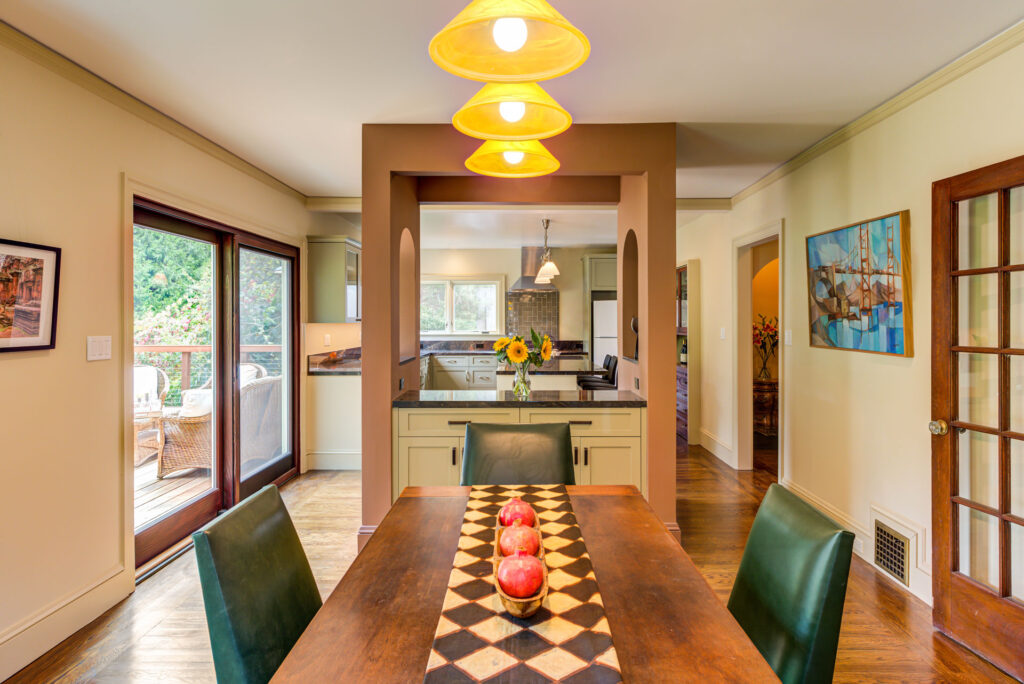
Utilitas (function, program) involves understanding the client’s practical needs and designing for comfort and convenience. To achieve this, we conduct an extensive programming interview with the client, covering both practical and intangible needs, such as their favorite art piece, a place for quiet contemplation, or a memorable childhood space. We also incorporate clients’ requests to enhance indoor-outdoor connections, a common design feature.
Firmitas (strength, stability) involves designing for the soundness of construction, ensuring that the building endures without excessive maintenance and withstands hostile weather. We use solid and durable finishes, such as structural brick blocks in multiple colors, to create a visually and physically strong base. In addition, in earthquake-prone areas, we integrate a series of steel frames with viscous fluid dampers that absorb earthquake energy, providing occupants and their possessions with safety and protection.
Venustas (beauty, proportion) involves designing for architecture’s aesthetic and artistic aspects. We achieve this by painting with materials, highlighting the natural beauty of the materials used in construction. For example, we created a free-standing fireplace with oil-rubbed redwood slabs, carefully aligning the wood grain and highlighting the pattern. The hearth is covered with granite stone slabs, each measured and cut to match the natural figure of the stone. The steel mantel features a slender oval platter that evokes a gesture of service and hospitality.
By following these principles, we ensure our designs meet our clients’ functional needs while remaining visually stunning and aesthetically pleasing.
What inspired you to become an architect, and what do you enjoy most about working in this field?
I was passionate about building things from a young age, from treehouses and snow forts to homemade Star Trek toys. I pursued engineering at the Georgia Institute of Technology but soon realized architecture offered the perfect blend of technical aptitude, history, and the arts.
During college, I gained valuable experience working on residential and commercial projects at a structural engineering firm. After earning my Bachelor of Science in Architecture in 1989, I moved to California just after the Loma Prieta earthquake. Again, I found inspiration in my professional work and learned from mentors who helped me develop my skills.
My ambition to run my architectural firm led me to set a goal of obtaining my license before my 30th birthday. I achieved this goal with two weeks to spare and found my practice. In addition to my professional work, I pursued personal projects, such as building my fortepiano, which took nearly two years of evenings and weekends to complete.
For me, the most fulfilling aspect of working in architecture is bringing clients’ visions to life and creating spaces that enhance their lives. Additionally, I enjoy the challenge of tackling complex design problems and the creative freedom to devise innovative solutions.
The Projects
Can you tell us about any notable projects your firm has completed?
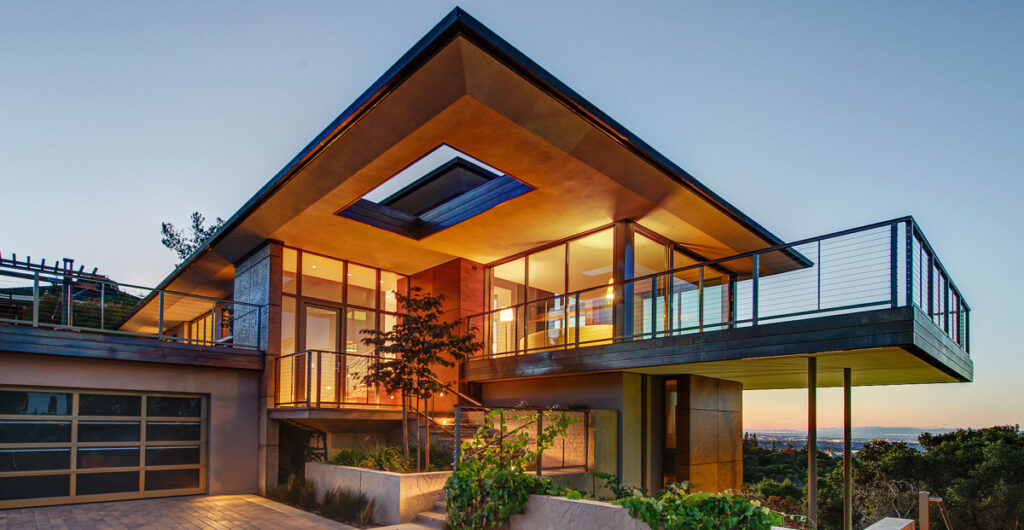
2M Architecture Hillside Home
One notable project was a hillside residence located in Portola Valley, California. The site’s steep slope presented challenges for creating outdoor play areas for the client’s growing family. To meet their needs, we designed the primary indoor living spaces, such as the kitchen and family room, adjacent to outdoor terraces. Large sliding door assemblies also blur the boundary between indoor and outdoor living spaces.
In another project, we built a custom home near the San Andreas Fault, where the owners desired a structure that could withstand a large earthquake and protect their family, extensive wine collection, and artwork. To meet this challenge, we integrated a series of steel frames with viscous fluid dampers that absorb and dissipate the energy of earthquakes, similar to a vehicle’s shock absorbers. This was the first time this technology was used in a private residence.
In addition to these projects, we have also designed hillside homes using structural brick blocks in three colors to provide a physically and visually strong foundation for the buildings.
What does it mean to you to be a Bernal Heights business?
We love our “little town on the hill” – love walking to work, eating at our local restaurants, and shopping at stores where the owners know your name. We love serving the community and walking the neighborhood, seeing all the projects we’ve completed over many years (25+ projects just in Bernal Heights), and knowing that we’ve helped make Bernal a more beautiful place to live.
Calendar – Bernal Heights and Beyond
2M Architecture

Mike Doherty serves as Chief Experience Officer at Greening Projects, a nonprofit organization dedicated to transforming underutilized urban spaces into vibrant green areas
